
Vendor Reviews on the Darknet
This guide helps darknet users understand vendor review systems for safer buying experiences.
- Date
Vendor reviews on darknet markets use 3-point or 5-point rating scales that buyers can submit only after completing a transaction1. These reputation systems help you identify trustworthy sellers, as positive ratings, seller seniority, and escrow use correlate with lower fraud rates2. Focus on three key signals: completed transaction count, rating consistency across multiple reviews, and whether the vendor uses escrow protection23.
What Are Vendor Reviews on Darknet Markets
Vendor review systems are essential components of darknet marketplaces. They provide a mechanism for buyers to assess the trustworthiness of vendors. Unlike traditional e-commerce platforms, reviews on darknet markets often emphasize anonymity and the irreversibility of cryptocurrency transactions. This anonymity can lead to different dynamics in buyer-seller relationships compared to clearnet platforms.
Most darknet markets utilize a rating scale, typically 3-point or 5-point, for feedback submission. Buyers can only leave a rating after completing a transaction, ensuring that feedback is based on actual experiences1. Reviews usually consist of a quantitative rating and optional written feedback. This feedback may include transaction details such as shipping time, product quality, and communication with the vendor1.
The review format can vary across different marketplaces. For instance, Abacus features a straightforward rating system where users submit ratings alongside brief comments. Archetyp, on the other hand, may include more detailed feedback sections, allowing users to elaborate on their experiences. Both formats aim to provide transparency and help buyers make informed decisions.
In terms of content, reviews often reflect both positive and negative aspects of a transaction. Positive reviews can help vendors establish a strong reputation, enabling them to charge higher prices over time4. Conversely, negative feedback can significantly impact a vendor's ability to attract future customers.
When evaluating reviews, consider the context. High ratings are generally correlated with lower fraud rates, as established vendors tend to have more reliable service2. However, be cautious of potential manipulation. Some vendors instruct buyers on what to include in reviews to enhance their ratings5. Understanding these nuances can aid in making safer purchasing decisions.
How Vendor Rating Systems Work
Vendor rating systems on darknet markets operate primarily through 3-point or 5-point scales. Buyers submit ratings only after completing a transaction, ensuring that feedback is based on real experiences1. This system helps establish a vendor's reliability and trustworthiness.
Ratings are calculated based on several factors. Recent reviews often carry more weight than older ones, as they reflect the current performance of the vendor. Verified purchases, where buyers confirm receipt of goods, are also crucial for accurate ratings. Many markets display total transaction counts, dispute rates, and account age to provide additional context1. For example, a vendor with a 95% positive rating and over 500 completed transactions is typically considered reliable.
Information displayed on vendor profiles may include transaction history, feedback score, and specific details about disputes. Dispute rates show how often buyers encounter problems, while account age indicates the vendor's experience in the market. A long account age combined with a high feedback score can signal a trustworthy vendor4.
Examples of rating thresholds that suggest reliability include a vendor with 95% or higher positive feedback and at least 500 transactions. Such vendors often have lower dispute rates and are less likely to engage in fraudulent activities. In contrast, vendors with lower scores or fewer transactions may pose a higher risk2.
Understanding these rating mechanisms can help you make informed purchasing decisions. Always check the vendor's transaction history and feedback consistency before proceeding with a purchase. This practice minimizes the risk of encountering issues such as exit scams or receiving subpar products.
Key Elements to Look for in Vendor Reviews
When evaluating vendor reviews, focus on specific components that indicate trustworthiness. Key elements include feedback specificity, reviewer account age, and photo evidence.
Specific feedback should detail product quality, shipping time, and stealth packaging. For instance, a review stating, “The product arrived in 5 days and was well-packaged,” is more informative than generic praise like “Great seller.” Look for reviews that mention actual transaction experiences, as this specificity builds confidence in the vendor's reliability.
The age and history of the reviewer’s account also matter. A long-standing account with a consistent positive feedback score is generally more trustworthy. This is especially true if the reviewer has a history of multiple transactions. Accounts with few reviews or new accounts may indicate potential manipulation or inexperience.
Photo evidence can further validate claims. Reviews with attached images of products or packaging provide tangible proof of the vendor's legitimacy. However, lack of images does not automatically disqualify a review; it’s just an added layer of verification.
Be aware of red flags in reviews. Generic praise or overly positive comments without detail can suggest manipulation. Timing patterns, such as a sudden influx of positive reviews around the same time, may indicate coordinated efforts to boost ratings artificially.
To help identify genuine reviews, consider the following checklist:
- Specificity of feedback regarding product quality and delivery.
- Reviewer account age and transaction history.
- Consistency of ratings across multiple reviews.
- Presence of photo evidence when available.
- Lack of generic phrases or overly positive language.
- Review timing—avoid clusters of positive reviews in short timeframes.
- Vendor use of escrow systems to protect transactions.
These indicators can assist in distinguishing genuine reviews from potentially fake ones. This approach increases the likelihood of making safer purchasing decisions on darknet markets.
Common Vendor Review Manipulation Tactics
Vendors on darknet markets may employ various tactics to manipulate reviews. Understanding these strategies helps you identify trustworthy sellers and avoid potential scams.
Self-reviewing with alternate accounts is a common tactic. Vendors create multiple accounts to leave positive feedback about themselves. This artificially inflates their ratings and misleads potential buyers. Research shows that vendors may also provide review templates to guide buyers on what to write in their reviews, enhancing the perceived quality of their service5.
Review bombing is another manipulation strategy. Vendors may encourage their buyers to leave negative reviews for competitors to damage their reputation. This tactic can skew perceptions, making it difficult for you to assess the true quality of a vendor.
Buying positive reviews is also prevalent. Vendors may pay individuals to write favorable feedback or offer incentives for positive ratings. This practice undermines the integrity of the review system and can mislead potential customers.
Timing manipulation around exit scams adds another layer of complexity. Vendors may flood the review system with positive feedback just before an exit scam, where they disappear with buyers' money without delivering products. This can create a false sense of security for buyers6.
To combat these manipulative tactics, darknet markets implement various measures. Verified purchase badges are awarded to vendors whose buyers confirm satisfaction with transactions. This helps ensure that feedback is legitimate. Review aging is another strategy, where older reviews are given less weight in the overall rating.
Dispute resolution records provide additional transparency. However, it's worth noting that only 23.1% of disputes reach a resolution, indicating that manipulation can still occur despite these systems6.
For example, Hydra, one of the largest darknet markets before its shutdown, employed comprehensive feedback and dispute resolution systems7. However, even with such measures, cases of manipulation were still present, highlighting the ongoing challenges in maintaining trustworthiness in vendor reviews.
Understanding these tactics and the marketplace's attempts to counter them can aid you in making safer purchasing decisions. Always consider the context of vendor reviews and remain vigilant against potential manipulation.
How to Verify Vendor Trustworthiness Beyond Reviews
Verifying vendor trustworthiness involves several methods beyond just reading reviews. Cross-referencing information can provide a more comprehensive picture of a vendor's reliability.
Start by checking a vendor's presence across multiple darknet markets. A vendor active on several platforms may have a more established reputation. This can indicate reliability, as successful vendors often prefer to operate on multiple sites to reach a larger customer base.
Next, search for the vendor's name on darknet forums like Dread or specific subreddits. These communities often discuss vendor performance and can provide insights not captured in formal reviews. Look for threads discussing vendor experiences, complaints, or recommendations.
Examining the longevity and consistency of a vendor's PGP key is also crucial. A stable PGP key over time suggests that the vendor is less likely to engage in exit scams. If a vendor frequently changes their key, it may be a red flag indicating potential instability or fraud.
Dispute history and resolution rates provide valuable context. Research shows that only 23.1% of disputes on darknet markets reach resolution through formal processes6. A vendor with a low resolution rate may not prioritize customer satisfaction. Conversely, a vendor with a high resolution rate demonstrates a commitment to resolving issues, which enhances trust.
Escrow usage patterns reveal additional insights about vendor reliability. Vendors who consistently use escrow services show a willingness to protect buyers' funds. This indicates they are more likely to fulfill orders as agreed. If a vendor frequently opts out of escrow, it may signal a higher risk of fraudulent behavior.
To verify a vendor's trustworthiness, follow this step-by-step process:
- Check the vendor's presence across multiple darknet markets.
- Search for vendor names on forums like Dread and relevant subreddits.
- Examine the longevity and consistency of the vendor's PGP key.
- Review the vendor's dispute history and resolution rates.
- Assess the vendor's use of escrow services during transactions.
By using these methods, you can make more informed decisions and reduce the likelihood of encountering fraud on darknet markets.
The Role of Escrow and Dispute Resolution in Review Accuracy
Escrow systems play a crucial role in protecting buyers and ensuring the authenticity of vendor reviews. In most darknet markets, cryptocurrency payments are held in escrow until buyers confirm satisfaction with their transactions3. This arrangement minimizes the risk of fraud by ensuring that vendors fulfill their obligations before receiving payment. If a dispute arises, an independent adjudicator reviews the evidence before releasing funds, which can affect the final ratings vendors receive.
Dispute resolution processes significantly influence the accuracy of vendor reviews. Research indicates that only 23.1% of disputes on darknet markets are resolved through formal mechanisms6. This low resolution rate suggests that many unresolved issues may still impact vendor ratings. Vendors are typically accused of malfeasance more often than buyers, with common complaints including failure to deliver products or providing low-quality items6. These disputes can lead to negative feedback, even if the vendor's issues are not representative of their overall performance.
Finalize early (FE) risks also relate to review manipulation. When buyers confirm receipt of goods before fully evaluating them, they may leave premature positive feedback. This practice can artificially inflate ratings, making it difficult for potential buyers to gauge a vendor's reliability accurately. For instance, a vendor may gain a high rating quickly through FE feedback, despite having unresolved customer complaints6.
The connection between a market's escrow policies and review reliability is evident. Markets with robust escrow systems tend to have lower fraud rates, as established vendors can charge higher prices based on their positive reputations2. Conversely, markets lacking strong escrow measures may see increased manipulation and less reliable reviews. Understanding the escrow and dispute resolution processes can help you make informed purchasing decisions on darknet markets, reducing the likelihood of encountering fraudulent vendors.
Vendor Review Systems Across Different Marketplaces
Vendor review systems vary significantly across darknet marketplaces. Each system has unique features that impact buyer protection and trustworthiness.
Abacus, for instance, uses a 5-point rating scale. Buyers can leave feedback only after completing a transaction. This verification process helps ensure that reviews are genuine1. In contrast, STYX employs a simpler 3-point scale, which may limit the granularity of feedback. This difference can affect how buyers perceive vendor reliability.
Torzone stands out with its advanced review verification process. It uses algorithms to analyze feedback for signs of manipulation, such as overly positive language or suspicious timing of reviews. This system aims to enhance transparency and reduce fraudulent activity2. However, the effectiveness of such systems can vary, as evidenced by research showing that only 23.1% of disputes on darknet markets reach resolution through formal processes6.
Market reputation plays a crucial role in vendor trustworthiness. Vendors with established reputations can charge higher prices, reflecting their reliability1. Conversely, new vendors often face challenges in gaining trust, as their ratings may not accurately reflect their service quality. This dynamic affects how buyers interpret reviews; a high rating from a well-known vendor may carry more weight than a similar rating from an unknown seller.
Additionally, some marketplaces, like Hydra before its shutdown, implemented comprehensive systems that included escrow services and dispute resolution mechanisms7. These features enhance buyer protection by ensuring that funds are held until buyers confirm satisfaction. Such measures can reduce the risk of exit scams, a common concern in dark web transactions.
In summary, when evaluating vendor reviews, consider the unique aspects of each marketplace's system. Look for verification processes, rating algorithms, and the overall reputation of vendors to make informed purchasing decisions.
What to Do When Vendor Reviews Seem Suspicious
When vendor reviews appear suspicious, you should take specific actions to protect yourself. Start by reporting any questionable reviews directly through the marketplace's reporting system. Most darknet markets have mechanisms for flagging suspicious feedback, which can help maintain the integrity of the review system.
Seek verification from community sources. Forums like Dread and various Reddit alternatives often discuss vendor experiences. Engaging in these communities can provide insights beyond formal reviews. Look for threads that mention specific vendors, particularly those detailing negative experiences or complaints.
Be cautious even with vendors that have positive reviews. If you notice patterns such as numerous recent positive ratings without substantial detail, it may indicate manipulation. Research indicates that vendors may flood the review system with positive feedback before executing exit scams, where they disappear with buyers' funds6.
Warning signs of potential exit scams include sudden changes in a vendor's transaction patterns. If a vendor who previously had a steady flow of sales suddenly increases their prices or starts offering discounts, it may suggest they are preparing to exit the market.
When evaluating whether to proceed with a transaction, consider the following decision framework:
- Assess Review Patterns: Look for consistent, detailed reviews over time. Be wary of sudden spikes in positive feedback.
- Verify Community Feedback: Check forums for ongoing discussions about the vendor. Seek experiences that corroborate or contradict the reviews you see.
- Examine Dispute History: Investigate the vendor's dispute resolution records. A high number of unresolved disputes may indicate a lack of reliability6.
- Use Escrow Services: Always opt for transactions involving escrow. This adds a layer of protection by holding funds until you confirm satisfaction with the transaction3.
If the vendor shows multiple red flags, consider avoiding the transaction, even if their overall ratings appear high. Prioritize your safety by conducting thorough research and relying on a combination of reviews, community feedback, and established transaction safeguards.
Common Mistakes and Misconceptions About Vendor Reviews
Trusting High Ratings Without Checking Review Distribution
Many buyers assume a vendor with a 4.8-star average is automatically trustworthy. This overlooks how ratings cluster: a vendor might have 90% five-star reviews and 10% one-star reviews, indicating either excellent service with rare failures or systematic manipulation. Research shows vendors can instruct buyers on what to write in positive reviews to promote sales5. Check the full distribution of ratings across the scale, not just the average. A vendor with consistent 4-star reviews often proves more reliable than one with polarized 5-star and 1-star feedback.
Assuming Detailed Reviews Are Always Genuine
Lengthy, positive reviews feel authentic because they include specific details. However, research on AlphaBay found that complex vocabulary and positive tone in product descriptions correlate positively with fraud2. Vendors provide review templates to buyers, shaping both content and structure5. Genuine reviews typically include minor complaints or neutral observations alongside praise. If every detailed review reads like marketing copy without any reservations, treat it as a red flag rather than proof of quality.
Believing New Vendors With Perfect Ratings Are Safe Bets
A vendor with 15 transactions and 15 five-star reviews appears flawless. This ignores that new sellers accept lower prices to build reputation quickly1, and some manipulate early feedback before executing exit scams. Established vendors can charge higher prices because their reputation took time to build1. A perfect rating with under 50 transactions lacks the statistical weight to confirm reliability. Wait until a vendor accumulates at least 100 verified transactions before treating their rating as meaningful, or start with a small test order.
Ignoring the Timing and Pattern of Positive Reviews
Buyers often miss that a sudden surge of positive reviews within days can signal manipulation rather than popularity. Vendors may flood the system with fake feedback before disappearing with funds, a tactic observed in exit scam patterns. Genuine reputation builds gradually over weeks and months1. Check review timestamps: steady accumulation over time indicates organic growth, while clusters of identical ratings posted within 24-48 hours suggest coordinated manipulation. Cross-reference these patterns with forum discussions to verify whether other buyers noticed similar suspicious activity.
Relying Solely on Single-Marketplace Feedback
Many buyers evaluate vendors based only on reviews from one marketplace, missing context from other platforms. A vendor might maintain high ratings on one site while accumulating complaints elsewhere. Cross-marketplace verification reveals consistency: legitimate vendors typically maintain similar performance across platforms, while scammers often abandon accounts after negative feedback accumulates. Search the vendor's name on forums like Dread and check whether their PGP key appears on multiple markets with consistent transaction history. A vendor present on only one marketplace with no external community mentions carries higher risk than one with verifiable multi-platform presence.
Overlooking Dispute Resolution Rates in Favor of Star Ratings
Buyers focus on overall ratings while ignoring how vendors handle problems. Only 23.1% of disputes reach formal resolution6, and vendors face accusations of malfeasance far more often than buyers6. A vendor with a 4.7 rating but a 10% dispute resolution rate demonstrates poor customer service despite high scores. Check the marketplace's dispute records: vendors who resolve 70% or more of disputes through formal channels show commitment to customer satisfaction. A slightly lower rating with strong dispute resolution indicates more reliability than a perfect score with unresolved complaints.
Straight answers
- Is anyone familiar with the dark web or reputable marketplaces?
Reputable darknet marketplaces typically feature comprehensive systems including escrow services, feedback mechanisms, and dispute resolution processes7. Markets with robust escrow systems tend to have lower fraud rates, as costly signals like positive reputation and escrow services are inversely associated with fraudulent activity2. Look for platforms that require transaction completion before allowing feedback, as this verification step helps ensure reviews are genuine1.
- How do dark web marketplaces address issues of trust and reputation?
Darknet markets use reputation systems with 3-point or 5-point rating scales, allowing feedback only after completed transactions1. Markets face competitive pressure to inform customers about vendor trustworthiness, as reputation data provides vendors with business model predictability and customers with reliability information4. Escrow systems hold cryptocurrency until buyers confirm satisfaction, with independent adjudicators freezing payment and considering evidence when disputes arise3.
- What steps can you take to ensure a darknet vendor is trustworthy?
Verify that the vendor has accumulated at least 100 transactions with steady review accumulation over weeks or months, not sudden rating clusters1. Check dispute resolution records, as vendors who resolve 70% or more of disputes demonstrate commitment to customer service despite vendors being accused of malfeasance far more often than buyers6. Cross-reference the vendor's PGP key across multiple marketplaces and search community forums for consistent transaction history.
- Are dark net markets trustworthy?
Market trustworthiness varies significantly based on their escrow policies and dispute resolution mechanisms. Research shows that only 23.1% of disputes reach formal resolution6, and vendors can manipulate reviews by providing templates to buyers instructing what to write5. Markets with robust escrow systems enable established vendors to charge higher prices based on positive reputations1, while platforms lacking strong safeguards see increased manipulation and less reliable reviews.
- Vendor review darknet reddit
Community forums provide insights beyond formal marketplace reviews, particularly for discussing vendor experiences and identifying suspicious patterns. Research analyzing 2 million feedback texts found that moral norms and unconditional considerations for others' outcomes drive traders' voluntary supply of information to reputation systems8. Cross-reference marketplace ratings with forum discussions to verify whether other buyers noticed suspicious activity, as vendors may instruct buyers not to include sensitive product information in reviews5.
- Vendor review darknet legit
Legitimate vendor reviews show consistent ratings over time without sudden spikes, include minor complaints alongside praise, and come from verified transactions. Research on AlphaBay found that cheap signals like long product descriptions with complex vocabulary and positive tone correlate positively with fraud2. Higher vendor ratings directly affect prices vendors can charge4, so established vendors with gradual reputation growth over months prove more reliable than new accounts with perfect scores from fewer than 50 transactions1.
Key Takeaways
Vendor reviews on darknet markets require critical evaluation beyond surface-level ratings. Remember these priorities:
- Check review distribution and timing: A 4.8-star average means little without examining how ratings cluster and whether positive feedback arrived gradually or in suspicious bursts within 24-48 hours.
- Verify across multiple sources: Cross-reference marketplace ratings with community forums and check whether the vendor's PGP key appears consistently across platforms with similar transaction history.
- Prioritize dispute resolution over perfect scores: A vendor with a 4.7 rating who resolves 70% of disputes demonstrates more reliability than one with 5 stars but unresolved complaints.
- Wait for statistical weight: Treat vendors with under 100 verified transactions as higher risk, regardless of perfect ratings, since new sellers manipulate early feedback before exit scams.
- Always use escrow services: This safeguard holds funds until you confirm satisfaction, reducing fraud risk even when reviews appear trustworthy.
Start by learning how to distinguish genuine vendor credibility from manipulated signals at Identifying Trusted Vendors on the Darknet.
References
- 1. The moral embeddedness of cryptomarkets: text mining feedback on economic exchanges on the dark web
- 2. Signalling strategies and opportunistic behaviour: Insights from dark-net markets
- 3. An analysis of the dispute resolution processes for illicit contracts in Dark Web markets
- 4. Contribution to the harm assessment of darknet markets: topic modeling
- 5. Understanding and Analyzing Appraisal Systems in the Underground Marketplaces
- 6. Countering Distrust in Illicit Online Networks: The Dispute Resolution Strategies of Cybercriminals
- 7. Hydra: Lessons from the World's Largest Darknet Market
- 8. The moral embeddedness of cryptomarkets: text mining feedback on economic exchanges on the dark web
 Vendor Feedback on the DarknetDiscover how vendor feedback on the darknet helps you evaluate seller reliability before making purchases.
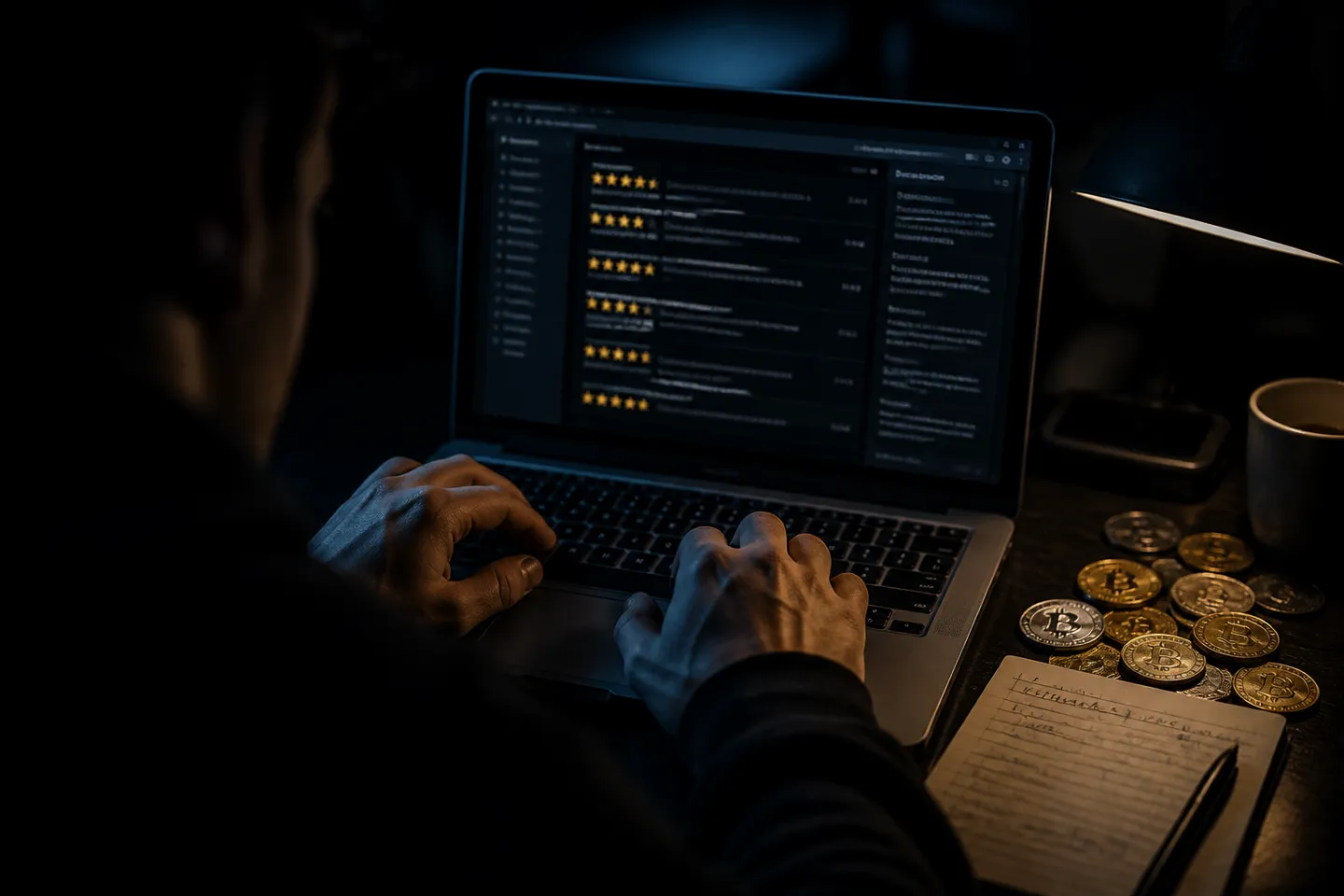 Vendor rating darknetExplore vendor ratings in the darknet to make informed purchasing decisions and enhance your safety while shopping.
 Navigating the Darknet Market Vendor LandscapeExplore the darknet market vendor landscape to find trustworthy sellers and minimize risks while purchasing goods and services.