
Vendor Feedback on the Darknet
This guide is for darknet users seeking to understand vendor feedback systems for informed buying decisions.
- Date
Vendor feedback on darknet markets is a buyer-driven reputation system where customers rate sellers on a 3 or 5-point scale and leave optional text reviews after a transaction completes1. These reviews function like legitimate e-commerce platforms, covering product quality, delivery speed, and vendor communication2. Research shows highly-rated vendors charge 20% more than low-rated sellers, proving feedback directly impacts pricing and buyer decisions3.
What Is Vendor Feedback on Darknet Markets
Vendor feedback systems are essential components of darknet marketplaces. They allow buyers to evaluate seller reliability through ratings and reviews after a transaction is completed. Feedback typically consists of a quantitative rating on a 3 or 5-point scale, along with optional written descriptions detailing the buyer's experience1. This system encourages transparency and helps potential buyers make informed decisions.
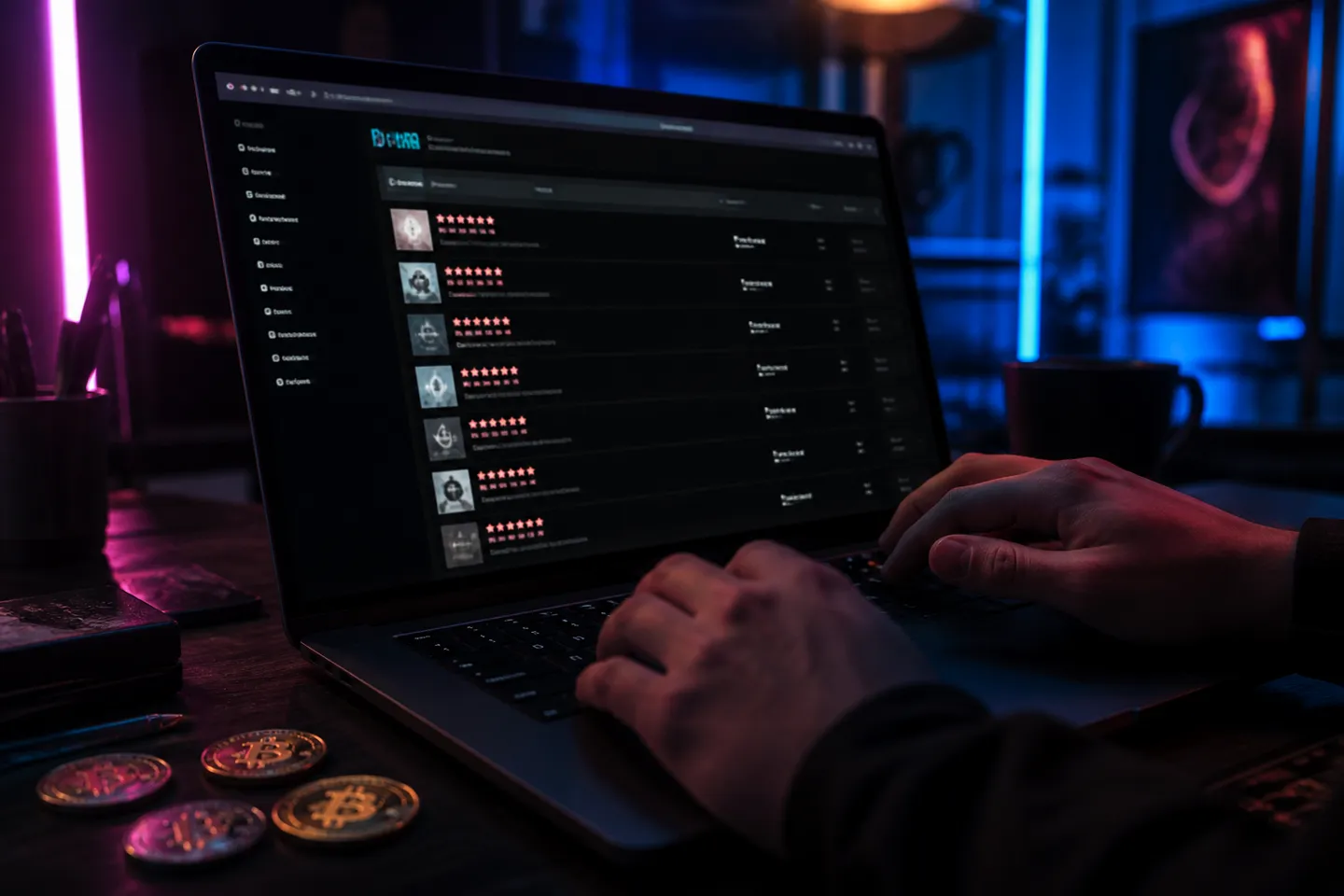
The structure of vendor feedback includes several elements. Star ratings provide a quick visual representation of a seller's reputation. Written reviews offer detailed insights into product quality, shipping speed, and customer service. Additionally, transaction counts reflect a vendor's experience and reliability. A vendor with numerous positive reviews is more likely to be trustworthy than one with few or negative feedback3.
In contrast to surface web e-commerce feedback systems, such as those on eBay or Amazon, darknet vendor feedback operates under different conditions. Anonymity is a significant factor; buyers and sellers often use pseudonyms and encrypted communication methods like PGP verification. This anonymity can lead to challenges in establishing trust, as users may create fake accounts to manipulate feedback scores5.
While legitimate platforms like Amazon allow for user accountability, darknet markets implement stricter measures to ensure feedback is costly to obtain. Most marketplaces require that only traders who have completed transactions can leave feedback. This approach helps maintain the integrity of the feedback system and discourages dishonest practices1.
Understanding vendor feedback is crucial for navigating darknet marketplaces effectively. It helps buyers identify reliable vendors and avoid potential scams. For more on this topic, see Understanding Vendor Trust Levels.
How Vendor Feedback Systems Work on Darknet Markets
Vendor feedback systems operate through a structured process that begins once a buyer completes a transaction. The buyer can leave feedback after the seller marks the item as shipped. This feedback consists of a rating, typically on a 3 or 5-point scale, along with optional written comments detailing the transaction experience1.
The escrow system plays a crucial role in this process. It holds the buyer's payment until the item is confirmed as received. Once the buyer marks the transaction as complete, the funds are released to the vendor. In some cases, buyers may choose to finalize the transaction early (FE), which can impact the vendor's reputation and feedback score1.
Dispute resolution mechanisms also influence vendor ratings. If a buyer encounters issues with the transaction, they can report these problems. The outcome of such disputes can lead to negative feedback for the vendor, affecting their overall reputation. A vendor's ability to resolve disputes satisfactorily can enhance their standing in the marketplace4.
The timeline from purchase to review posting typically unfolds as follows:
- Purchase: Buyer places an order and payment is held in escrow.
- Shipping: Seller ships the product and marks it as shipped.
- Confirmation: Buyer receives the product and confirms receipt, or disputes the transaction.
- Feedback: Buyer leaves a rating and comments after the transaction is finalized.
Feedback usually includes important information such as product quality, shipping speed, stealth (discretion of packaging), and communication effectiveness2. For example, a buyer might comment on how quickly the product arrived or how well the vendor communicated throughout the process.
Understanding these mechanics is essential for navigating darknet markets. Evaluating vendor feedback helps buyers make informed decisions and avoid potential scams. For more details on vendor trust levels, see Understanding Vendor Trust Levels.
Reading and Interpreting Vendor Feedback Correctly
Analyzing vendor feedback requires more than just looking at star ratings. It's essential to recognize patterns and red flags that may indicate a vendor's reliability.
All 5-star reviews can be a warning sign. If a vendor has only perfect scores, it may suggest manipulation or fake reviews. Research indicates that a vendor with 100% positive feedback over 500 transactions is statistically anomalous. This suggests either a very disciplined scammer or someone actively curating their feedback6.
Generic comments are another red flag. If many reviews lack specific details about the product or service, they may not be genuine. Authentic feedback typically includes personal experiences related to product quality, shipping speed, and communication. For example, a review stating, “Great product!” without elaboration may hold little value.
Sudden changes in ratings can also signal potential issues. If a vendor's rating drops significantly in a short time, it could indicate recent problems with product quality or service. Buyers should investigate the reasons behind such changes before making a purchase.
The recency of feedback matters. Recent reviews provide a clearer picture of a vendor's current performance. A vendor with many older positive reviews but few recent ones may be slipping in quality. This is especially true in dynamic markets where conditions can change rapidly.
Understanding how vendors respond to negative reviews is equally important. A vendor who addresses complaints professionally and offers solutions demonstrates a commitment to customer satisfaction. Conversely, a vendor who ignores or responds defensively to negative feedback may be less reliable.
To summarize, evaluating vendor feedback involves looking for patterns, identifying red flags, and considering the context of the reviews. This approach helps buyers make informed decisions and avoid potential scams in the darknet marketplace.
Fake Reviews and Vendor Reputation Manipulation
Vendor reputation manipulation is a common issue in darknet markets. Sellers may employ various tactics to enhance their feedback scores artificially. These tactics include self-reviews, paid positive feedback, and sabotage of competitors through fake negative reviews.
Self-reviews occur when vendors rate their own services to inflate their ratings. This can create a misleading impression of reliability. Paid positive feedback involves vendors compensating individuals to leave favorable reviews, further distorting the marketplace's perception of their trustworthiness. Competitor sabotage can involve creating fake negative reviews about rival vendors to undermine their reputation and attract buyers.
New vendors face challenges in building their reputation. Most marketplaces restrict feedback to traders who have completed transactions. This means new sellers often need to sell at lower prices initially to attract buyers and accumulate reviews1. As they gather feedback, they can gradually increase their prices as their reputation solidifies.
Statistical indicators can help identify fake review patterns. Research shows that timing clusters—where multiple reviews appear within a short time frame—can signal manipulation. Similarly, language similarity among reviews may indicate that they were written by the same person or group, suggesting inauthentic feedback6. For example, if several reviews use identical phrases or structure, this could be a red flag.
Another manipulation tactic involves vendors establishing legitimate shops, selling real products at a loss initially to gain positive reviews. Once a solid reputation is built, they may pivot to selective scams or exit scams6. This tactic exploits the trust established through genuine transactions.
Understanding these manipulation tactics is crucial for evaluating vendor reliability. Buyers should be vigilant and look for patterns in reviews to avoid falling victim to scams. For further insights on vendor reliability, see Vendor Reviews on the Darknet.
Vendor OPSEC Failures Revealed Through Feedback
Poor operational security (OPSEC) can be exposed through buyer feedback on darknet marketplaces. Packaging issues, shipping patterns, and communication mistakes often reveal vulnerabilities that can compromise vendor safety.
Buyers frequently comment on packaging, sharing details about how discreetly items were shipped. Vendors who fail to use stealth shipping methods risk drawing unwanted attention from law enforcement. For instance, if a vendor's packaging is easily identifiable, it can lead to their detection and arrest. Feedback indicating that a package arrived in a suspicious or recognizable box can signal potential OPSEC failures.
Shipping patterns can also expose vendors. If a vendor consistently ships to the same location or uses a limited number of shipping methods, this may raise red flags. Buyers might note these patterns in their reviews, inadvertently making it easier for authorities to track the vendor. For example, a vendor who ships all orders from a single address may attract scrutiny if multiple reviews mention a similar shipping route.
Communication mistakes can further jeopardize vendor security. If vendors disclose too much personal information or use identifiable language in their messages, they increase the risk of exposure. Buyers may highlight these communication issues in their feedback, revealing vulnerabilities that could be exploited by law enforcement or competitors.
Research shows that feedback systems are designed to encourage information sharing among users, which can inadvertently expose vendor OPSEC failures1. Buyers often feel a moral obligation to share their experiences, which can lead to the unintentional revelation of sensitive vendor information. This scenario is particularly concerning when buyers report shipping delays or unusual packaging, as these comments can provide insights into a vendor's operational methods.
To mitigate these risks, vendors should ensure their packaging is discreet and vary their shipping methods. They should also practice caution in communication, avoiding identifiable details that could compromise their anonymity. By prioritizing OPSEC, vendors can better protect themselves from exposure and potential legal consequences.
Using Feedback Alongside Other Research Methods
Cross-referencing vendor feedback with other research methods enhances buyer safety on darknet marketplaces. This approach helps verify vendor reliability and reduce the risk of scams.
One effective method is checking discussions on the Dread forum. This platform often features user experiences and opinions about specific vendors. Engaging with these discussions can provide insights into recent vendor performance and any potential issues not reflected in formal feedback.
Another strategy involves checking a vendor's presence across multiple markets. A vendor who operates on several platforms and maintains a consistent reputation is often more reliable. For example, if a vendor has positive feedback on three different marketplaces, this can serve as a strong indicator of their trustworthiness.
Verifying PGP keys and market verification badges is also essential. PGP verification ensures that communication is secure and that the vendor is who they claim to be. Market verification badges can indicate that a vendor has met certain standards set by the marketplace. These elements contribute to a more comprehensive understanding of a vendor's reliability.
Pre-purchase communication with vendors can further enhance safety. Initiating a conversation can help gauge their responsiveness and professionalism. Buyers should ask specific questions about products or shipping methods. Positive interactions can indicate a vendor’s commitment to customer service.
It's important to remain cautious. Not all positive feedback or vendor presence guarantees reliability. Some vendors may still engage in deceptive practices despite a strong reputation. Always look for patterns in feedback, such as consistency in product quality and communication.
Combining these research methods provides a more robust framework for evaluating vendor reliability. This multi-faceted approach helps buyers make informed decisions and minimize risks associated with darknet transactions.
What to Do When Vendor Feedback Is Limited or Contradictory
Evaluating vendors with limited or contradictory feedback requires careful consideration and strategic approaches. Start by reviewing the available feedback systematically. Even a small number of reviews can provide insights into a vendor's reliability, especially if they contain detailed comments. Look for specific mentions of product quality, shipping speed, and communication effectiveness. If reviews are generic or lack detail, they may not be trustworthy1.
When encountering conflicting feedback, weigh the context and volume of reviews. A single negative review against many positive ones may not be significant, especially if the positive reviews provide detailed accounts of satisfactory transactions. Conversely, if multiple reviews point to similar issues, this could be a cause for concern. Research shows that a vendor's reputation can significantly impact pricing, with highly-rated sellers often charging up to 20% more than lower-rated counterparts3.
Using smaller test orders is a prudent strategy when evaluating new vendors. This approach allows you to assess product quality and service without committing to a larger purchase. If the vendor performs well, you can gradually increase your orders. This method is particularly useful in markets known for scams, where initial low-risk transactions can help build trust1.
Be aware of sudden changes in feedback patterns. A rapid drop in ratings may indicate issues such as exit scams or declining product quality. For instance, if a vendor's feedback suddenly shifts from positive to negative, investigate the reasons behind this change. This is especially relevant in markets where exit scams are prevalent, and vendors may disappear after establishing a reputation4.
Utilizing additional research methods enhances your evaluation. Checking forums like Dread can provide valuable insights from other users about vendor experiences. Engaging in community discussions can help identify vendors with consistent performance across multiple platforms. Always verify PGP keys and market verification badges to ensure vendor authenticity4.
By applying these strategies, you can navigate the complexities of vendor feedback on darknet markets and make informed purchasing decisions.
Leaving Effective Feedback as a Buyer
Providing effective feedback as a buyer is crucial in darknet marketplaces. Your feedback should include specific details about the transaction while maintaining operational security (OPSEC). Focus on aspects such as product quality, shipping speed, and communication without revealing identifiable information. For example, instead of mentioning specific addresses or payment methods, you can describe the general shipping experience or product characteristics.
Balancing honest negative reviews with personal security is essential. If you encounter issues, report them, but avoid disclosing too much personal information. A negative review should highlight the problem and its impact without compromising your safety. Research indicates that trust in vendors can decrease significantly due to negative feedback, especially in cases of impersonation campaigns7. This means your honest review can help others avoid scams while keeping your identity secure.
Your feedback contributes to the marketplace's trust ecosystem. Reputation systems rely heavily on buyer-provided information, as feedback influences vendor ratings and pricing. Highly-rated sellers can charge up to 20% more than their lower-rated counterparts3. This dynamic encourages vendors to maintain high standards to avoid negative reviews. By leaving feedback, you help create a more reliable environment for all users.
Strategic negative reviews can significantly impact bad actors. Research shows that negative feedback can deter fraudulent activity by signaling trustworthiness issues to potential buyers4. When you report scams or poor service, it not only protects other buyers but also pressures vendors to improve their practices. This collective effort enhances the overall integrity of the marketplace.
In summary, when leaving feedback, prioritize OPSEC, balance honesty with security, and recognize the broader impact of your reviews. Your contributions can significantly influence vendor behavior and marketplace trust.
Common Mistakes and Misconceptions
Trusting Perfect 100% Positive Feedback Records
Many buyers assume a vendor with 100% positive feedback over hundreds of transactions is completely trustworthy. This pattern is statistically anomalous in darknet markets where selective scams are common6. Vendors can build flawless reputations through months of legitimate sales before executing exit scams. A vendor with 500+ perfect reviews may be running a long-term manipulation strategy, selling real products at breakeven prices for two to three months to establish credibility before pivoting to scams6. Look for natural variation in feedback patterns instead. A few neutral or mildly negative reviews among hundreds of positive ones often indicates genuine customer experiences rather than curated manipulation.
Overvaluing Elaborate Product Descriptions
Buyers often interpret detailed, professionally written product descriptions as signs of vendor legitimacy. Research shows the opposite correlation exists. Long descriptions with complex vocabulary and positive tone actually correlate with opportunistic behavior on darknet markets4. These cheap signals are easier to fake than costly signals like established reputation or escrow use. A vendor can write compelling copy without ever delivering quality products. Focus instead on costly signals that require genuine investment: vendor seniority, consistent positive reputation over time, and willingness to use escrow services, which are inversely associated with fraudulent activity4.
Ignoring Feedback Volume When Comparing Prices
Many buyers see higher prices as automatic indicators of quality without considering reputation context. A mature highly-rated seller charges approximately 20% more than a mature low-rated seller3. This price premium reflects reputation value, not necessarily product superiority. When a new vendor with limited feedback charges premium prices, this represents a red flag rather than quality assurance. New sellers typically accept lower prices when entering markets because reputation is costly to obtain and risky to lose1. Evaluate whether a vendor's pricing aligns with their feedback volume and account age before assuming higher cost equals better product.
Leaving Feedback That Compromises Personal Security
Buyers frequently include unnecessary identifying details in reviews, believing specificity helps other users. Comments about exact shipping times, specific packaging materials, or communication timestamps can inadvertently reveal your location or transaction patterns. Feedback systems encourage information sharing for community benefit1, but this moral obligation can lead to OPSEC failures. Instead, describe experiences in general terms: "shipped quickly" rather than "arrived in exactly 3 days," or "discreet packaging" instead of detailing specific materials. Your review should inform others without creating a trail law enforcement could use to connect your transactions.
Dismissing All Negative Reviews as Competitor Sabotage
Some buyers automatically discount negative feedback, assuming competitors or law enforcement planted fake reviews. While manipulation exists, legitimate negative experiences provide crucial signals about vendor reliability. Research on Operation Bayonet shows that trust in vendors decreases heterogeneously based on actual performance issues, with buyers switching from disreputable to reputable vendors when problems arise7. Examine negative reviews for specific, detailed complaints rather than generic accusations. Multiple reviews citing similar issues—delayed shipping, poor product quality, unresponsive communication—indicate genuine problems. A single vague negative review among hundreds of detailed positive ones may be suspicious, but patterns of specific complaints warrant serious consideration.
Relying Solely on Feedback Without Cross-Verification
Buyers often treat marketplace feedback as the only necessary research tool before purchasing. This approach ignores the reality that reputation systems can be manipulated through various tactics6. Theoretical research suggests even law enforcement could deflate ratings of high-quality sellers to destroy the informativeness of review signals5. Verify vendor presence across multiple markets, check discussions on forums like Dread, and confirm PGP keys before trusting feedback alone. A vendor with 800 positive reviews on one platform5 but no presence elsewhere may be running a contained operation vulnerable to sudden disappearance. Effective evaluation requires combining feedback analysis with independent verification methods.
Straight answers
- Is it illegal to buy stuff off the dark web?
Legality depends on what you purchase and your jurisdiction. Buying illegal goods like drugs or stolen data violates laws in most countries, regardless of the platform used. Accessing darknet markets itself is not inherently illegal, but transactions involving controlled substances or illicit services carry criminal penalties. Law enforcement agencies actively monitor these platforms and can trace transactions back to buyers through various investigative techniques.
- Does the dark web still exist in 2026?
Yes, darknet markets continue operating despite periodic law enforcement takedowns. Major platforms have been seized over the years, but new markets consistently emerge to replace them. The decentralized nature of these platforms and ongoing demand for anonymous transactions ensure their persistence. Operation Bayonet in 2017 demonstrated that even major disruptions cause buyers to migrate to alternative vendors rather than abandon the ecosystem entirely7.
- Is it safe to use the dark web?
Darknet markets carry significant risks beyond legal consequences. Vendors can execute exit scams after building reputation through months of legitimate sales6, and selective scamming remains common even among established sellers6. Law enforcement operations can compromise user data, and malicious actors may distribute malware through marketplace links. Operational security failures when leaving feedback or communicating can expose your identity to both criminals and authorities.
- How do vendors gain a good reputation starting from scratch?
New vendors typically accept lower prices when entering markets because reputation is costly to obtain and risky to lose1. Most platforms only allow feedback from buyers who completed transactions, requiring sellers to build credibility through actual sales rather than fake reviews1. Vendors must accumulate positive feedback over time by consistently delivering quality products and reliable service. Established vendors can receive hundreds of positive reviews within months, with one AlphaBay seller accumulating 800 positive feedbacks in 12 months5.
- How to thoroughly research a vendor?
Combine multiple verification methods rather than relying solely on marketplace feedback. Check vendor presence across different platforms, verify PGP keys, and review discussions on forums like Dread for independent user experiences. Examine costly signals like vendor seniority, consistent reputation over time, and escrow service use, which are inversely associated with fraudulent activity4. Avoid overvaluing elaborate product descriptions, as complex vocabulary and positive tone actually correlate with opportunistic behavior4.
- What are the top 5 dark web sites?
Specific marketplace names and URLs change frequently due to law enforcement actions and exit scams. AlphaBay operated as a major platform from December 2014 to July 2017 before seizure4, and Silk Road functioned from November 2013 to October 2014 in its later iteration8. Rather than seeking specific site names, focus on evaluating any platform through verification methods: checking forum discussions, confirming vendor PGP keys, and assessing marketplace security features. Current active markets shift regularly as platforms disappear and new ones emerge.
Key Takeaways
Vendor feedback serves as your primary defense against scams, but requires critical evaluation rather than blind trust. Remember these priorities:
- Examine feedback patterns for statistical anomalies: Perfect 100% positive records over hundreds of transactions often signal manipulation rather than reliability, as natural variation indicates genuine customer experiences.
- Prioritize costly signals over cheap ones: Focus on vendor seniority, consistent reputation over time, and escrow use instead of elaborate product descriptions, which correlate with opportunistic behavior.
- Cross-verify information across multiple sources: Combine marketplace feedback with forum discussions, PGP key verification, and presence across platforms to avoid relying on potentially manipulated single-source data.
- Protect your operational security when leaving reviews: Describe experiences in general terms without exact shipping times, specific packaging details, or communication timestamps that could reveal your location.
- Understand pricing context: Mature highly-rated sellers charge approximately 20% more than low-rated counterparts, but new vendors with premium prices and limited feedback represent red flags rather than quality assurance.
To deepen your evaluation skills, explore Understanding Vendor Trust Levels for frameworks on assessing seller credibility beyond basic feedback scores.
References
- 1. The moral embeddedness of cryptomarkets: text mining feedback on economic exchanges on the dark web
- 2. A Primer on DarkNet Marketplaces
- 3. Reputation Dynamics in a Market for Illicit Drugs
- 4. Signalling strategies and opportunistic behaviour: Insights from dark-net markets
- 5. Cops Could Undermine Dark Web Markets by Leaving Fake Reviews
- 6. Vendor Feedback Manipulation — How Fake Reviews Are Manufactured
- 7. Measuring the Deterioration of Trust on the Dark Web: Evidence from Operation Bayonet
- 8. Reputation in the Internet black market: an empirical and theoretical analysis of the Deep Web
 Top Rated Vendors on the DarknetDiscover the top rated vendors on the darknet for reliable purchases. Minimize risks and ensure quality with our detailed vendor reviews.
 Exploring the Alphabay MarketDiscover the Alphabay Market, its features, and how it compares to other darknet markets for informed decisions.
 Finding Dark Web VendorsDiscover reliable dark web vendors with practical tips to minimize scams and ensure quality products.