
The Dream Market: A Comprehensive Overview
This overview is for researchers and enthusiasts seeking insights into Dream Market's significance and operations.
- Date
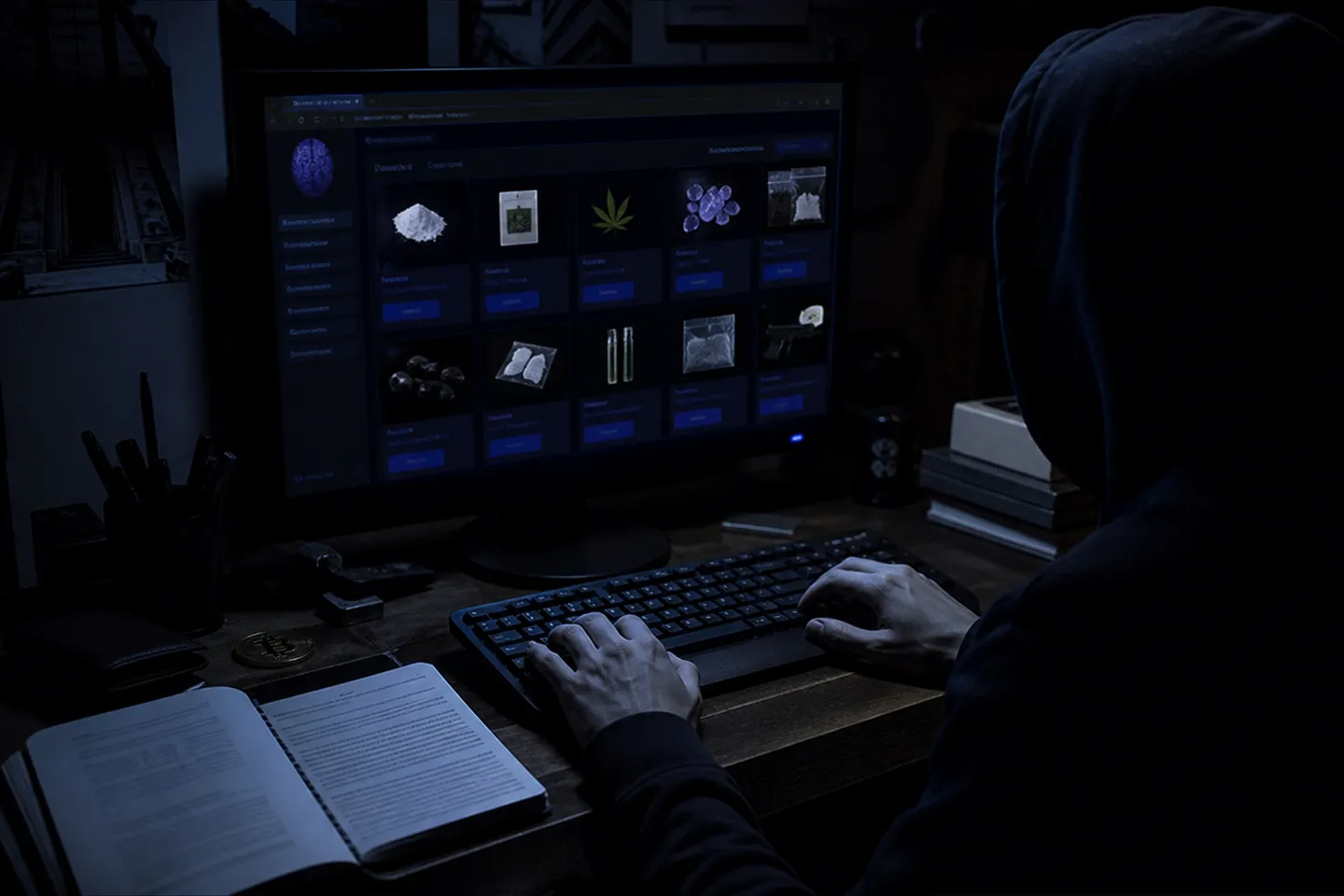
Dream Market was a darknet marketplace that operated from November 2013 until its closure on April 30, 2019, making it the longest-running darknet market at 5.5 years1. After the 2017 takedown of AlphaBay and Hansa, it became the predominant darknet marketplace2, nearly doubling its user base to almost 20,000 within nine months3. The site shut down following Operation SaboTor, which resulted in 61 arrests and seizures of 299 kilograms of drugs, 51 firearms, and over $7 million in assets4.
What Was Dream Market?
Dream Market was a significant darknet marketplace that operated on the Tor network. It launched in late 2013 and remained active until its closure on April 30, 2019. This marketplace was known for its focus on drugs, digital goods, and fraud-related items, making it a crucial player in the dark web economy.
At its peak, Dream Market became one of the largest darknet markets following the shutdowns of AlphaBay and Hansa in 2017. After these events, Dream Market transitioned from being the second-largest to the predominant marketplace in the dark web ecosystem. Before the closures of its competitors, it had around 8,500 to 10,000 active users. Following the takedowns, the user registrations surged, with some days seeing as many as 180 new users joining, bringing the total to nearly 20,000 within nine months53.
Dream Market was notable for its use of an escrow system to facilitate transactions, which helped build trust between buyers and sellers. Users conducted transactions using cryptocurrencies like Bitcoin and Monero, ensuring a degree of anonymity. The marketplace employed PGP encryption for secure communication, which was essential for maintaining user privacy.
The original owner operated under the alias SpeedStepper, later identified as Owe Martin Andresen2. Dream Market faced challenges, including extraordinary DDoS attacks that led to over 600 mirror links circulating on the dark web6. Ultimately, the site shut down as part of Operation SaboTor, a coordinated law enforcement effort that resulted in numerous arrests and significant seizures4.
How Dream Market Operated
Dream Market utilized a robust technical infrastructure to facilitate its operations. It functioned as a Tor hidden service, allowing users to access the marketplace anonymously through the Tor network. This architecture ensured that both buyers and sellers could interact without revealing their identities, a key feature for any darknet marketplace.
Transactions on Dream Market were conducted using cryptocurrencies, primarily Bitcoin and Monero. Bitcoin was widely used due to its popularity, while Monero offered enhanced privacy features. These payment systems provided a level of anonymity, which was crucial for users engaging in potentially illegal transactions.
The marketplace employed an escrow mechanism to secure transactions. This system held funds until both parties confirmed the transaction's completion. If a dispute arose, Dream Market had a resolution process in place. Users could report issues, and the marketplace administrators would mediate, ensuring fair outcomes based on vendor feedback and transaction history.
Vendor registration involved a fee structure that varied based on the type of goods sold. Vendors needed to establish a reputation to attract buyers. The feedback system allowed users to rate their experiences, which helped build trust within the marketplace. New vendors often faced challenges in gaining visibility, as established vendors had more credibility and customer reviews.
Security features were critical for Dream Market's operation. PGP encryption was implemented for private communication between users, protecting sensitive information from eavesdroppers. Additionally, two-factor authentication (2FA) was encouraged, adding another layer of security to user accounts.
These mechanisms were effective in creating a relatively secure environment for transactions. However, the marketplace faced challenges from law enforcement and cyber attacks, including DDoS attacks that disrupted its operations6. Despite these issues, Dream Market managed to sustain a user base that nearly doubled after the closures of its competitors3.
Key Features and Marketplace Structure
Dream Market featured a user-friendly interface designed for ease of navigation. Users could easily browse through various product categories such as drugs, counterfeit items, and digital goods. The layout allowed for quick access to listings, making it straightforward to find desired products. Each listing provided detailed descriptions, prices, and vendor information, aiding in informed purchasing decisions.
The marketplace employed a structured listing format. Each product included essential details, such as images and user ratings. Listings were often accompanied by vendor profiles, which showcased their history and feedback from previous buyers. This transparency was crucial for building trust among users.
A significant aspect of Dream Market was its vendor rating and feedback system. Buyers could leave reviews and ratings based on their experiences. This system encouraged vendors to maintain high standards to attract more customers. Established vendors with positive feedback had a competitive edge, while new vendors struggled to gain visibility without a solid reputation.
Dream Market also implemented multisig transactions, enhancing security for both buyers and sellers. In a multisig setup, funds were held in escrow until all parties confirmed the transaction's completion. This feature reduced the risk of exit scams, as funds were not released until both parties agreed on the transaction's success.
Additionally, trusted vendors had access to finalize early (FE) privileges. This feature allowed them to release funds from escrow before the buyer confirmed receipt of the product. FE privileges were typically granted to vendors with a proven track record, further incentivizing them to maintain positive interactions with customers.
Overall, the combination of an intuitive interface, structured listings, robust feedback mechanisms, and secure transaction features contributed to Dream Market's appeal and functionality within the darknet marketplace ecosystem.
Security Incidents and Controversies
Dream Market faced numerous security incidents and controversies throughout its operation. These events significantly impacted its reputation and user experience.
DDoS attacks were a major issue for Dream Market from early 2018 until its closure in 2019. The marketplace experienced extraordinary DDoS attacks, resulting in over 600 mirror links circulating on the dark web to maintain access for users6. These attacks disrupted services and created a chaotic environment for buyers and sellers.
During this period, speculation about exit scams emerged. Users feared that the marketplace might abruptly shut down, leaving them unable to retrieve their funds. This concern intensified as the site announced its closure on March 24, 2019, leading up to the final shutdown on April 30, 20192. Many users worried about losing their investments, especially those who had funds locked in escrow.
Law enforcement actions, particularly Operation SaboTor, raised further concerns. Announced in March 2019, this operation resulted in the arrest of 61 individuals and the shutdown of 50 dark web accounts4. The operation highlighted vulnerabilities within Dream Market, as it was connected to significant criminal activities, including drug trafficking. For instance, five members of the drugpharmacist group were charged with conspiracy to distribute various drugs through the marketplace4.
Compromised vendor accounts and security breaches also posed risks. Some vendors reported unauthorized access to their accounts, which led to fraudulent activities. These incidents undermined trust in the marketplace's security measures. Users had to remain vigilant, regularly changing passwords and employing two-factor authentication where possible.
In summary, Dream Market's operational history was marred by security incidents, law enforcement scrutiny, and user mistrust. These factors contributed to its eventual closure, marking a significant moment in darknet marketplace history.
The Shutdown and Aftermath
Dream Market officially announced its closure on March 24, 2019, and shut down on April 30, 20192. This decision came amid increasing pressure from law enforcement, particularly during Operation SaboTor, which targeted various darknet markets. Users were advised to migrate to alternative marketplaces, such as Empire Market and Wall Street Market, for continued access to similar goods.
The aftermath of Dream Market's closure included significant law enforcement actions. Operation SaboTor led to the arrest of 61 individuals and the seizure of over 299 kilograms of drugs, 51 firearms, and more than $7 million in assets, including cryptocurrency4. Among those arrested were members of the drugpharmacist group, who were charged with conspiracy to distribute drugs through Dream Market4.
Seizures also had implications for vendor data. Prior to the closure, Dream Market had around 20,000 active users, and many vendors faced uncertainty regarding their remaining funds and reputations3. The marketplace had developed a comprehensive vendor feedback system, which now became a point of concern for those who had built their businesses on the platform. Vendors needed to navigate the challenges of re-establishing their credibility in other markets.
Some users speculated about potential exit scams, fearing they might lose their funds locked in escrow. However, the closure was officially linked to law enforcement actions rather than an exit scam, which is a common concern in darknet markets. The combination of these factors marked a significant shift in the darknet landscape, as users sought to reassess their strategies and adapt to new environments.
Dream Market's Role in Darknet Evolution
Dream Market significantly influenced the evolution of darknet marketplaces between 2017 and 2019. After the takedowns of AlphaBay and Hansa, it became the leading marketplace, growing its user base from about 10,000 to nearly 20,000 within nine months23. This surge represented a substantial market share during its peak operation.
The marketplace's design and operational standards set a benchmark for subsequent platforms. Dream Market's escrow system fostered trust, allowing buyers and sellers to engage with confidence. This feature became a standard expectation for new marketplaces. Additionally, Dream Market's user-friendly interface and vendor feedback mechanisms inspired other platforms to enhance user experience and trustworthiness.
In comparison to predecessors like AlphaBay and Silk Road, Dream Market focused primarily on drug sales, whereas AlphaBay offered a broader range of products, including fraud and hacked data7. The differences in their operational models highlighted the shifting dynamics within the darknet. While Silk Road laid the groundwork for online drug sales, Dream Market refined these processes, emphasizing security and user interaction.
Dream Market's impact is evident in the operational standards it established. The marketplace's practices, such as PGP encryption for communication and multisig transactions, became integral features for many current darknet markets. These elements improved security and reduced the risk of exit scams, issues that plagued earlier markets.
Overall, Dream Market played a pivotal role in shaping the darknet marketplace landscape, influencing both the design of future platforms and the expectations of users. Its legacy continues to inform how contemporary markets operate today.
Legal and Law Enforcement Perspective
Law enforcement agencies conducted extensive investigations targeting Dream Market throughout its operation. These efforts intensified after the takedown of other major marketplaces like AlphaBay and Hansa in 2017. Following these events, Dream Market emerged as a leading darknet marketplace, which attracted increased scrutiny from authorities2.
A significant operation, known as Operation SaboTor, was announced in March 2019. This operation resulted in the arrest of 61 individuals involved in various criminal activities related to Dream Market. Law enforcement seized over 299 kilograms of drugs, 51 firearms, and more than $7 million in assets, including cryptocurrency4. Among those arrested were members of the drugpharmacist group, charged with distributing various drugs through the marketplace4.
Several high-profile vendors and administrators were apprehended during investigations. Gal Vallerius, a prominent vendor, was arrested in August 20172. The original owner of Dream Market, Owe Martin Andresen, operated under the alias SpeedStepper and was also identified during law enforcement efforts2. These arrests underscored the serious legal consequences faced by those involved in the marketplace.
Users of Dream Market were not exempt from legal repercussions. Engaging in transactions on darknet marketplaces poses risks, including potential arrest for drug trafficking or other illegal activities. The anonymity of the Tor network does not guarantee immunity from law enforcement actions. Individuals involved in significant transactions could face severe legal consequences, including lengthy prison sentences.
Cooperation between international law enforcement agencies was crucial in these investigations. Agencies such as the FBI, DEA, and Europol collaborated on Operation SaboTor. This cooperation enabled them to execute search warrants and make arrests in multiple countries, including Germany, the Netherlands, Austria, Portugal, and France6. The global nature of darknet marketplaces necessitates such collaborative efforts to effectively combat criminal activities.
In summary, the legal and law enforcement perspective on Dream Market highlights the significant risks associated with participation in darknet markets. Investigations led to notable arrests and demonstrated the extensive collaboration between agencies in addressing these challenges.
Operational Timeline: Major Events
Dream Market experienced several significant milestones from its inception to its closure.
Dream Market was launched in November or December 2013, quickly establishing itself as a prominent darknet marketplace. By early 2017, it had around 8,500 to 10,000 active users, with about 20 new users registering daily5. The marketplace gained momentum after the takedowns of AlphaBay and Hansa in July 2017, which allowed it to become the leading platform. Following these events, Dream Market's user registrations surged, with daily new users reaching over 60 and sometimes peaking at 1803. By the end of 2017, its user base had nearly doubled to approximately 20,000 users3.
A notable incident occurred in August 2017 when Gal Vallerius, a well-known vendor, was arrested. This raised concerns among users regarding security and trust within the marketplace2. Despite this, Dream Market continued to thrive until it faced a series of extraordinary DDoS attacks starting in early 2018. These attacks led to over 600 mirror links circulating on the dark web, complicating access for users6.
The marketplace operated for 5.5 years, making it the longest-running darknet market at the time of its closure1. On March 24, 2019, Dream Market announced its impending closure, which officially took place on April 30, 20192. This decision was influenced by increasing law enforcement pressure, particularly from Operation SaboTor, which resulted in the arrest of 61 individuals and significant seizures of drugs and assets4.
Prior to its closure, Dream Market had become synonymous with illicit drug sales, handling transactions worth millions in cryptocurrency. The combination of these events highlights the dynamic and often precarious nature of darknet marketplaces.
Common Misconceptions and Mistakes
Confusing Dream Market with the Grocery Store Chain
Many search results today point to Dream Market grocery stores rather than the defunct darknet marketplace. This confusion stems from identical naming and the marketplace's offline status since April 20192. The darknet Dream Market operated exclusively on the Tor network and focused on illicit goods, while the grocery chain is a legitimate business. When researching the darknet marketplace, always specify "darknet" or "dark web" in your search terms to filter out unrelated results.
Assuming Dream Market Was the Largest Darknet Marketplace
Dream Market became the predominant marketplace only after AlphaBay and Hansa were seized in July 20172. Before that, it was considered the second-largest platform. AlphaBay had over 40,000 vendors serving more than 200,000 buyers, significantly larger than Dream Market's nearly 20,000 users at its peak3. Dream Market also focused primarily on drug sales, while AlphaBay offered broader categories including fraud and hacked data7. Understanding this hierarchy helps contextualize Dream Market's actual market position during its operation.
Believing the Closure Was an Exit Scam
Dream Market announced its closure on March 24, 2019, and officially shut down on April 30, 20192. Many users feared an exit scam where administrators would steal escrowed funds. However, the closure coincided with Operation SaboTor, which resulted in 61 arrests and significant seizures4. The timing suggests law enforcement pressure drove the shutdown rather than a planned theft. While exit scams are common in darknet markets, Dream Market's closure appears linked to external enforcement actions rather than internal fraud.
Trusting Mirror Links During DDoS Attacks
For over a year before closure, Dream Market suffered severe DDoS attacks that generated more than 600 mirror links across the dark web6. Users often assumed any mirror link would safely connect them to the legitimate marketplace. This assumption created opportunities for phishing sites that mimicked Dream Market's interface to steal login credentials and cryptocurrency. You should verify mirror links through trusted community forums and always use PGP-signed messages from official administrators before trusting any alternative access point.
Underestimating Law Enforcement Reach
The Tor network's anonymity led many users to believe they were untraceable. Operation SaboTor demonstrated otherwise, involving the FBI, DEA, Canadian Police, and Europol with arrests across Germany, the Netherlands, Austria, Portugal, and France6. The operation seized over 299 kilograms of drugs, 51 firearms, and more than $7 million in assets4. Even prominent figures like administrator Gal Vallerius were arrested in August 20172. Tor provides privacy but not absolute immunity from coordinated international investigations.
Straight answers
- Does Dream Market still exist?
Dream Market has been offline since April 30, 20192. The marketplace announced its closure on March 24, 2019, and ceased operations permanently the following month. It no longer exists in any functional form.
- What is a dream market?
Dream Market was a darknet marketplace operating on the Tor network from late 2013 until April 20192. It primarily facilitated illegal drug sales and used cryptocurrency for transactions. The platform became the leading darknet marketplace after AlphaBay and Hansa were seized in July 20172.
- When did Dream Market shut down?
Dream Market shut down on April 30, 2019, after announcing the closure on March 24, 20192. The marketplace operated for 5.5 years, making it the longest-running darknet market at the time1.
- Was Dream Market an exit scam?
The closure coincided with Operation SaboTor, which resulted in 61 arrests and seizures exceeding $7 million in assets4. The timing suggests law enforcement pressure drove the shutdown rather than a planned exit scam. While many users feared administrators would steal escrowed funds, evidence points to external enforcement actions as the primary cause.
- How did Dream Market compare to AlphaBay?
AlphaBay was significantly larger, with over 40,000 vendors serving more than 200,000 buyers before its takedown3. Dream Market peaked at nearly 20,000 users3. AlphaBay operated as a catch-all marketplace including fraud and hacked data, while Dream Market focused primarily on drug sales7.
- Who owns Dream Market in Michigan?
This question refers to the Dream Market grocery store chain, not the darknet marketplace. The darknet Dream Market was operated by someone using the alias SpeedStepper, later identified as Owe Martin Andresen2. The Michigan grocery stores are an unrelated legitimate business sharing the same name.
Key Takeaways
- Dream Market operated for 5.5 years until April 30, 2019, becoming the longest-running darknet marketplace before its closure12.
- The marketplace peaked at nearly 20,000 users after AlphaBay and Hansa seizures in July 2017, though it remained smaller than AlphaBay's 200,000 buyers3.
- Operation SaboTor resulted in 61 arrests, seizures of 299 kilograms of drugs, 51 firearms, and over $7 million in assets, demonstrating coordinated international law enforcement reach4.
- Tor anonymity does not guarantee immunity from prosecution, as arrests spanned multiple countries including Germany, the Netherlands, Austria, Portugal, and France6.
- Always specify "darknet" when searching to avoid confusion with the unrelated Dream Market grocery store chain.
If you're researching current darknet marketplace dynamics, explore Understanding the Dark Web Black Market for broader context on how these platforms operate today.
References
- 1. Darknet Marketplace Operations and Takedowns Cohort · OAK
- 2. Dream Market - Wikipedia
- 3. Lost in the Dream? Measuring the effects of Operation Bayonet on vendors migrating to Dream Market
- 4. Dark web marketplace Dream Market to close after U.S. police nab suspected vendors - CyberScoop
- 5. Effects of Operation Bayonet - AlphaBay exit, Hansa-down. Dream on? - Social Media DNA
- 6. Darknet Whack-A-Mole - Chasing Criminal Markets | DarkOwl
- 7. Fall of AlphaBay raises 'a different balance of power' on the dark web - CyberScoop
 Understanding Brian's ClubLearn about Brian's Club, a prominent darknet marketplace, its features, and how it operates for users seeking illicit goods.
 Understanding the Archetyp MarketExplore the Archetyp Market to understand its structure, offerings, and significance in the darknet landscape.
 How to Buy on the DarknetLearn how to buy on the darknet safely and anonymously with this step-by-step guide for beginners.